
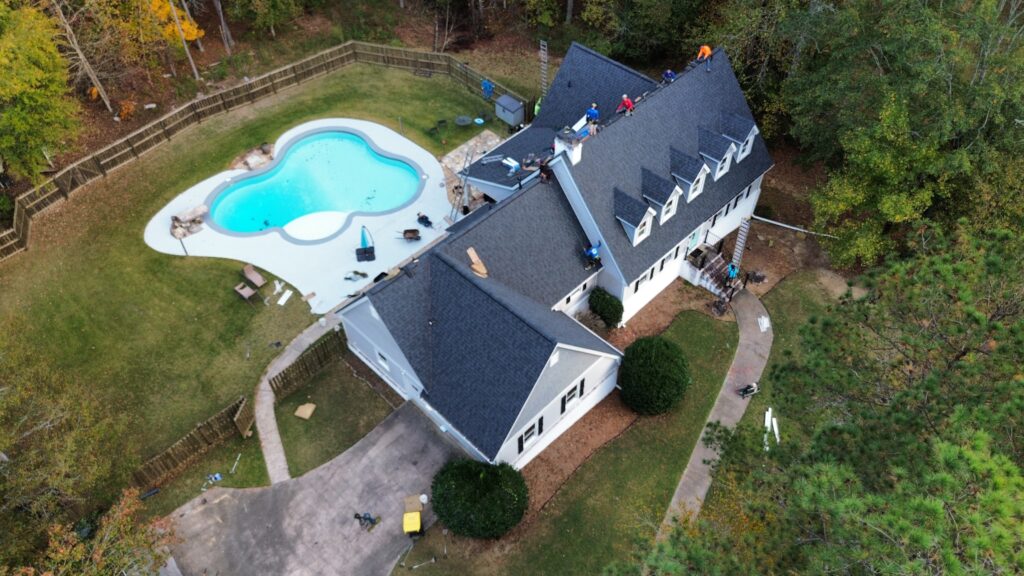
If you’re a homeowner in Georgia, you’ve probably wondered: “How long does a roof last in Georgia’s climate?”
Between scorching summers, heavy rain, and frequent hailstorms, roofs in the Peach State face some of the toughest weather in the Southeast. The answer isn’t one-size-fits-all — roof lifespan depends on materials, maintenance, and how well your roof handles the heat and humidity.
In this comprehensive guide, we’ll cover:
- The average lifespan of each roofing type in Georgia
- How humidity, storms, and UV exposure affect your roof
- Warning signs it’s time for a replacement
- And tips to extend your roof’s life
Average Roof Lifespan in Georgia (By Material Type)
Georgia homes use a variety of roofing materials — and each performs differently in our climate. Here’s a breakdown of how long you can expect your roof to last.
| Roof Type | Average Lifespan (Georgia) | Key Factors |
| Asphalt Shingles | 20–25 years | Affordable, but heat and humidity shorten lifespan |
| Architectural Shingles | 25–30 years | Thicker, more durable, better against wind and UV |
| Metal Roofing | 40–70 years | Reflects heat, resists hail and rot |
| Tile (Clay/Concrete) | 40–50 years | Long-lasting but heavy; vulnerable to impact |
| Wood Shake | 20–30 years | Natural look, but poor humidity resistance |
| Flat/Low-Slope Roofing (TPO/EPDM) | 15–25 years | Common for commercial buildings; requires upkeep |
How Georgia’s Climate Affects Roof Lifespan
Georgia’s weather patterns can take years off your roof’s expected life. Let’s break down how.
- Extreme Heat and UV Exposure
Summers in North Georgia regularly hit 90°F+. Constant sun exposure dries out asphalt shingles, causing cracking and curling.
Metal roofing, however, reflects sunlight — keeping attics cooler and lasting decades longer.
Tip: Lighter-colored shingles and reflective coatings can extend lifespan by 5+ years.
- High Humidity and Moisture
Georgia’s humidity causes:
- Algae and moss growth on shingles
- Rust on exposed flashing or fasteners
- Rotting of decking or underlayment if ventilation is poor
If your attic traps humidity, it accelerates roof deterioration. Proper ventilation and yearly inspections are key.
- Frequent Storms and Hail
From spring through fall, Georgia experiences:
- Thunderstorms with 60+ mph winds
- Hail up to 2 inches in diameter
- Heavy rainfall leading to leaks and flashing damage
Even if you don’t see leaks, hail bruises and wind uplift shorten your roof’s life.
- Rapid Temperature Swings
In North Georgia, temperatures can fluctuate 30°F+ between day and night. This expansion and contraction causes shingles to loosen and flashing to separate. Metal roofs handle this far better than asphalt.
- Tree Coverage and Debris
Many Georgia neighborhoods are shaded by oaks and pines. While that’s beautiful, falling limbs, leaves, and pine needles trap moisture and accelerate rot.
Roof Lifespan by Region in Georgia
Not all parts of Georgia affect roofs the same way.
| Region | Climate Traits | Roof Impact |
| North Georgia (Alpharetta, Cumming, Suwanee) | Cooler winters, frequent hail | Hail & wind shorten asphalt lifespan |
| Metro Atlanta | Urban heat island, mixed humidity | High heat exposure and storm risk |
| South Georgia | Hotter, drier, higher UV | UV degradation more severe |
| Coastal Georgia (Savannah, Brunswick) | High humidity, salt air | Corrosion and moisture damage risk |
If you live in Forsyth or Gwinnett County, you’ll likely deal more with hail damage than salt corrosion.
Asphalt Shingle Lifespan in Georgia
Asphalt shingles remain the most common roofing material in the state due to their affordability and availability.
However, Georgia’s climate reduces the average 30-year national lifespan to about 20–25 years locally.
Common signs of wear:
- Curling or lifting edges
- Bald spots where granules washed away
- Dark streaks (algae)
- Soft, bruised patches from hail
- Missing shingles after storms
How to extend asphalt roof life:
- Schedule a storm damage inspection annually.
- Keep gutters clean and free of debris.
- Install proper attic ventilation to release trapped heat.
- Apply algae-resistant shingles if you live in humid areas.
Metal Roof Lifespan in Georgia
Metal roofs perform exceptionally well in Georgia’s environment.
Average Lifespan: 40–70 years
Best For: Homeowners planning to stay long-term or reduce energy bills
Advantages:
- Reflects sunlight, lowering attic temperatures
- Handles hail and wind up to 140 mph
- Resists rot, mildew, and algae
- Lightweight yet strong
Maintenance Tips:
- Rinse twice a year to remove pollen and debris
- Inspect for loose screws or sealant wear
- Recoat or repaint every 20–30 years for optimal performance
Fun fact: Metal roofing can be installed over existing shingles in many Georgia homes — saving removal costs.
Tile Roof Lifespan in Georgia
Clay or concrete tile roofs last 40–50 years, but only if properly maintained. They resist UV and humidity but are vulnerable to impact cracks from falling branches or hail.
Maintenance Musts:
- Replace cracked tiles promptly
- Clear valleys and gutters regularly
- Reinforce underlayment every 15–20 years
Tile roofs are ideal for high-end homes in areas like Alpharetta or Roswell, where aesthetics and longevity justify the higher upfront cost.
Flat Roof (TPO/EPDM) Lifespan in Georgia
Common for commercial buildings and modern homes, TPO and EPDM roofs typically last 15–25 years.
They handle heat well but can suffer from ponding water in Georgia’s rainy seasons. Routine inspections and proper slope drainage extend lifespan significantly.
Factors That Shorten Roof Life in Georgia
Even the best roofs can fail early if these issues aren’t managed:
- Poor Ventilation: Causes attic heat buildup and moisture rot.
- Neglected Maintenance: Minor leaks evolve into major structural issues.
- Improper Installation: Loose flashing, nails, or inadequate underlayment.
- Unaddressed Storm Damage: Waiting too long to inspect or file claims.
- Gutter Blockage: Water backflow rots fascia and decking.
How to Tell When It’s Time for a Roof Replacement
Signs you’re nearing the end of your roof’s life:
- Shingles curling or missing
- Granules collecting in gutters
- Frequent leaks or ceiling stains
- Mold or soft decking in attic
- Visible daylight through roof boards
If your roof is older than 20 years and you’ve had multiple repairs, replacement is often more cost-effective than patching.
How to Extend the Life of Your Roof in Georgia
Here’s how to add 5–10 extra years to your roof’s lifespan:
- Get a professional roof inspection every year.
Catch small issues before they become big problems. - Clean your gutters quarterly.
Prevent moisture from backing into shingles. - Trim overhanging branches.
Stop debris accumulation and storm damage. - Improve attic ventilation.
Balanced intake and exhaust vents regulate temperature. - Apply reflective coatings.
Especially helpful for metal and flat roofs. - Repair storm damage immediately.
Even a few missing shingles can lead to hidden leaks.
Roof Maintenance Schedule for Georgia Homeowners
| Frequency | Task |
| Monthly | Quick visual check for missing shingles or debris |
| Quarterly | Clean gutters, check downspouts, remove branches |
| Annually | Professional inspection + attic check |
| After Every Major Storm | Drone or ground-level inspection for hail, wind, or leaks |
Pro Tip: Keep inspection reports and receipts — they help prove maintenance for future insurance claims.
How Roofers & Contractors Helps Georgia Homeowners Protect Their Roof
At Roofers & Contractors, we understand Georgia’s weather — and how to keep your roof strong through it all.
We offer:
- Free roof inspections after storms
- Detailed lifespan assessments and repair estimates
- Licensed insurance adjusters on staff
- Fast roof replacements (usually within 24–48 hours of claim approval)
- Warrantied materials from GAF, Owens Corning, and more
Serving Areas: Alpharetta • Cumming • Johns Creek • Milton • Suwanee • Buford • Norcross • Decatur • Dacula
Related Pages:
FAQs About Roof Lifespan in Georgia
Q1: What’s the average lifespan of a roof in Georgia?
Most roofs last 20–25 years depending on material, weather, and maintenance.
Q2: Does Georgia’s heat shorten roof life?
Yes. Extreme sun and humidity can reduce asphalt shingle lifespan by 20–30%.
Q3: How often should I inspect my roof?
At least once a year — and after every major storm or hail event.
Q4: Which roof lasts longest in Georgia?
Metal roofing lasts 40–70 years and performs best against heat, storms, and moisture.
Q5: Will regular maintenance really help?
Absolutely. Routine cleaning, inspections, and minor repairs can extend roof life by up to 10 years.
So — how long does a roof last in Georgia’s climate?
It depends on your material and maintenance, but here’s the truth:
- Asphalt shingles: 20–25 years
- Architectural shingles: 25–30 years
- Metal roofs: 40–70 years
- Tile roofs: 40–50 years
Georgia’s heat, humidity, and storms are tough on roofs — but with proactive care, regular inspections, and expert help, your roof can outlast expectations.
Contact Roofers & Contractors today for a free roof inspection or lifespan evaluation. We’ll tell you exactly how long your roof can last — and how to make it last even longer.